
The Cost Of Skipping Team Bonding… Is Expensive
- Andrea Costabir
- Mar 3
- 2 min read
Think team bonding is optional? Skipping it quietly damages trust, communication, and performance. Here’s the real cost which leaders invariably overlook.

Let’s be honest. When deadlines pile up, team bonding exercises are the first thing to go:“Let’s focus on real work.”“We don’t have time for games.”
But here’s the punchline: If you don’t build connection by choice, you’ll deal with disconnection by accident — and that is way more expensive.
Here’s why…
1. Communication Is A Double-Edged Sword
No relationship = no buffer.
Suddenly:
Well intended feedback or inputs feel arrogant and aggressive.
Digital communication (WhatsApp, Slack, email…) sounds cold and sharp.
Quick feedback feels personal.
When people don’t know each other, they assume the worst.

2. Trust Turns Transactional
Without bonding:
Collaboration becomes task swapping or dumping.
People turn territorial, open up less, and are possessive about resources.
Creativity shrinks.
It’s “my job” and “your job” — not “our project.”

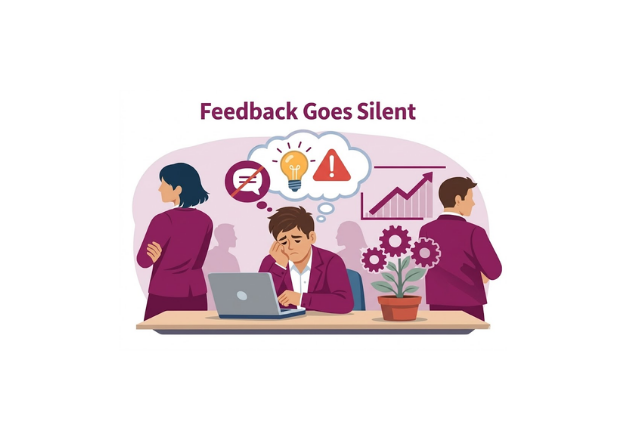
3. Feedback Goes Silent
In low-trust teams:
Concerns stay hidden.
Ideas stay unspoken.
Problems grow quietly.
Research has proved that psychological safety drives high performance. And safety doesn’t appear during performance reviews. It’s built in small, consistent moments of connection.
4. Conflict Escalates Faster
No relationship capital? No benefit of the doubt.
Assumptions replace curiosity. Tension lingers longer than it should.

5. Engagement Slips (Quietly)
No one announces it. But energy drops. Initiative fades. People emotionally clock out before they physically leave.

Here’s The Truth
Team bonding isn’t about forced fun. It’s about building the glue before things crack. You can skip it. But you’ll pay for it, later – in friction, turnover, misalignment, and avoidable drama.
The best teams don’t bond because they have extra time. They bond because they understand the cost of not doing it.


